.webp "What Is Dry Van Trucking? A Complete Guide to Dry Van Shipping and Freight image https://site-dev.igtfreight.com")
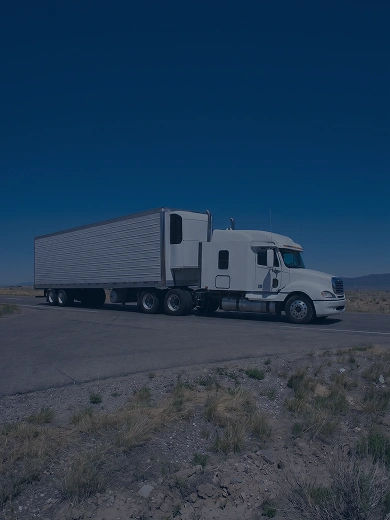
What Is Dry Van Trucking? A Complete Guide to Dry Van Shipping and Freight
It’s the unmistakable sight of American commerce: a 53-foot enclosed trailer, affectionately known as a dry van, hauling everything from produce to paper products down the interstate. While dry van trucking is the industry standard, not all shipping partners are created equal. At IGT Logistics, we don't just move freight; we move your business forward by combining the reliability of our trucking roots with the flexibility of a multimodal approach. This guide explores the essentials of dry van shipping, revealing how a true partnership can transform dry van freight from a simple commodity into a strategic advantage for your supply chain.
Dry Van Trucks and Dry Van Trailers Explained
A dry van truck combines a powerful semi with a fully enclosed semi-trailer built to shield freight from weather, dust, and road debris—no refrigeration required. The "dry" in dry van simply means it lacks temperature control, unlike reefers that chill or freeze. The dry van trailer is constructed with aluminum or steel framing. This enclosed trailer (or dry van) features a rigid box structure, sealed roof, and rear double doors engineered for dock loading efficiency. As the most common box trailer on U.S. highways, it handles palletized, boxed, or loose cargo up to 45,000 pounds with ease. At IGT Logistics, our foundation in trucking means we don't just book dry van trailers—we understand what moves inside them and why reliability matters in dry van trucking. Whether you're shipping retail goods or industrial materials, the dry van truck remains the proven workhorse of freight transportation.
Why the Name 'Dry Van' in Trucking
The term «dry van truck» traces its origins to a simple distinction: "dry" means no refrigeration. Unlike "reefer" trailers equipped with temperature control, a dry van relies solely on its enclosed shell for weather protection. The name sticks because these trailers keep cargo dry—shielding it from rain, snow, and road spray during transit. So when you hear dry van in trucking, think of non-perishable goods traveling in a secure, climate-independent environment. It's freight protection stripped down to what matters most: keeping products clean, safe, and free from moisture.
What Are Dry Van Trailer Sizes and Dimensions?
Choosing the right dry van equipment is critical for efficient shipping. Dry van trailers come in several standardized sizes to accommodate different freight volumes and delivery needs. Selecting the correct dry van trailer ensures you maximize capacity without paying for unused space. Below is a comparison of the most common dry van truck configurations used in North America.
Trailer Type | Common Dimensions (L x W x H) | Weight Capacity | Pallet Capacity | Common Use Case |
53-Foot Trailer | 53' x 8.5' x 8.5' | Up to 45,000 lbs | 26 standard pallets | Industry standard for Full Truckload (FTL) shipments. |
48-Foot Trailer | 48' x 8.5' x 8.5' | Varies (slightly less) | Approx. 24 pallets | Alternative for slightly smaller FTL or LTL loads. |
28-Foot "Pup" Trailer | 28' x 8.5' x 9' | Up to 22,500 lbs | 14 standard pallets | Ideal for Less-Than-Truckload (LTL) and city logistics. |
Straight Truck (Box Truck) | 24' x 8' x 8.5' | Varies by chassis | 8–12 pallets | Perfect for local deliveries and navigating tight urban streets. |
The most ubiquitous dry van on highways is the 53-foot trailer, offering up to 4,000 cubic feet of interior space. For shorter hauls or less-than-truckload (LTL) shipments, the 28-foot pup trailer offers excellent maneuverability. Meanwhile, a straight truck, also known as a box truck, is frequently equipped with a liftgate, making it indispensable for last-mile deliveries where loading docks are unavailable. Understanding these dimensions helps shippers optimize both cost and logistics.
Dry Van Freight: Types of Cargo
The true strength of dry van shipping lies in its remarkable versatility. A dry van can safely and efficiently transport a vast spectrum of products across the country. This makes dry van freight the backbone of numerous industries, from retail to manufacturing. Common cargo includes consumer goods like electronics, clothing, and furniture, as well as building materials and non-perishable food items. The automotive industry relies on dry van shipping for automotive parts, while the healthcare sector trusts it for pharmaceuticals. Whether it’s palletized freight, boxed goods, or even loose items, dry van freight is the ideal solution for cargo that doesn’t require temperature control.
What Are the Benefits of Dry Van Shipping?
When freight moves inside a dry van, dry van shipping creates a sealed environment that blocks out moisture, dirt, and unwanted attention. The solid shell keeps goods intact regardless of whether the highway cuts through rainstorms or dusty construction zones - this is the essence of reliable dry van trucking. Shippers gain peace of mind knowing that locked rear doors add a layer of deterrence against pilferage during transit stops, a key cargo security feature of dry van logistics. From a financial angle, choosing this mode eliminates surcharges tied to refrigeration or open-deck tarping, making dry van shipping a sensible fit for companies watching their bottom line. The same trailer that hauls packaged food Tuesday can carry auto components Wednesday - that kind of adaptability keeps supply chains agile and showcases the versatility of dry van trucking. Because these trailers roll in high numbers across every region, finding available equipment rarely becomes a bottleneck, even on short notice - a testament to the maturity of dry van logistics networks. Loading and unloading move quickly thanks to wide rear openings that align with standard warehouse docks, reducing dwell time and enhancing the efficiency of dry van shipping. Without the need to monitor internal temperatures, efficient logistics teams can focus on routing and scheduling instead of cargo conditions. That straightforward approach translates into smoother operations from origin to destination, proving why dry van trucking remains the industry standard.
Limitations of Dry Van Freight Transportation
While dry van freight dominates the shipping industry, certain cargo simply doesn't belong inside these enclosed trailers. The most significant constraint is the complete absence of temperature regulation - dry van units cannot accommodate perishable goods like produce or pharmaceuticals that require consistent cooling. When your shipment falls into that category, a reefer alternative becomes essential. Size presents another barrier: dry van trailers lack the clearance for machinery, construction equipment, or irregularly shaped loads that exceed standard dimensions. In those situations, a flatbed alternative provides the open platform necessary for secure transport. Moisture damage also poses an ongoing concern - the hardwood floors common in these trailers remain prone to water damage when wet cargo or condensation sits too long. Left unaddressed, moisture seeps into the wood, leading to mold growth and costly repairs. Additionally, access points are limited to rear doors only; dry van trucking does not allow for side or top loading, which can slow operations when unloading from multiple angles would improve efficiency. Understanding these boundaries helps shippers match the right equipment to each load, ensuring that dry van freight moves only when conditions align.
Dry Van vs Other Trailer Types
Choosing the right equipment starts with understanding how each trailer type operates. Below is a quick comparison of the most common options:
Trailer Type | Key Features | Typical Cargo |
Dry Van | Enclosed, no temperature control | General freight, pallets, boxes, non-perishable goods |
Flatbed Trailer | Open deck, sides accessible | Oversized loads, construction materials, machinery |
Refrigerated (Reefer) | Temperature-controlled, insulated | Perishable food, pharmaceuticals, frozen items |
Tanker Truck | Cylindrical tank, bulk liquid handling | Fuel, chemicals, milk, liquid food products |
Dry van remains the default choice for shipments that fit within standard dimensions and require no special handling. Unlike a flatbed trailer, which leaves cargo exposed, the enclosed trailer design of a dry van shields freight from weather and road debris. Compared to a refrigerated trailer, dry van shipping eliminates the complexity and cost of maintaining specific temperatures. And while a tanker truck moves bulk liquids through hoses and pumps, dry van trucking relies on pallets and forklifts for efficient loading. For businesses moving standard freight, the simplicity and availability of dry van equipment make it the most practical option in the comparison.
Key Points in dry van trucking:
A dry van operates as a portable warehouse on wheels - fully enclosed, unheated, and built to shield standard freight from exterior elements.
The 53-foot trailer dominates the industry, offering floor space for 26 pallets and a payload nearing 45,000 pounds for volume shipments.
This method fits cargo that arrives stacked, wrapped, or boxed: shelf-stable groceries, furniture lots, electronic cartons, and construction packs all move inside.
Choosing dry van trucking buys you three things automatically — weather separation, theft deterrence, and rates below specialized equipment.
When goods require chilling or extend beyond trailer walls, swap to a reefer for temperature control or a flatbed for exposed hauling; dry van works only for loads that fit its box.
FAQ
Any freight that arrives stacked on pallets, wrapped in boxes, or packed into cartons generally rides inside a dry van. Common examples include furniture shipments, electronic goods, automotive components, building supplies, and non-perishable food items that don't require cooling.
A standard 53-foot dry van trailer accommodates roughly 45,000 pounds of cargo when loaded properly. The actual number depends on how weight distributes across the floor and the trailer's specific manufacturing specs
A 53-foot dry van holds 26 standard 48x40-inch pallets arranged in a typical loading pattern. Shippers sometimes squeeze in additional pallets by adjusting orientation or using smaller pallets, depending on the freight dimensions.
A dry van moves general freight without any climate controls. A reefer trailer comes equipped with a refrigeration unit that maintains specific temperatures, making it necessary for perishables like produce, dairy, and frozen products.
Rates for dry van shipments shift constantly based on fuel prices, lane distance, seasonal peaks, and equipment availability. Because no fixed rate exists, the best approach is to request a personalized quote for your specific route and cargo
.webp "Ready to simplify your freight shipping? https://site-dev.igtfreight.com")
Ready to simplify your freight shipping?
Move your freight with confidence. Quick quotes, reliable capacity, and a team that actually answers when you call. Get started today with zero pressure and all the answers you need.
Get My Free Quote